Request a quote
Thanks for getting in touch
Part O Overheating Guidance for Architects (Simplified Route)
Understanding the Simplified Method and why this is often the sensible compliance route. This guide explains how the Part O simplified method works, why it is often misunderstood, and when dynamic modelling becomes necessary.
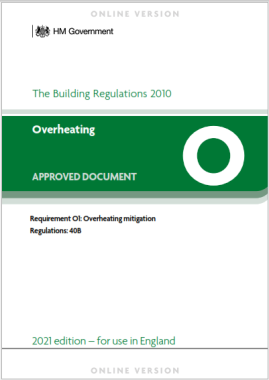
As residential buildings in the UK become more airtight, better insulated, and more energy efficient, the risk of overheating has become a major design consideration. To address this, the UK introduced Approved Document O, commonly referred to as Part O of the Building Regulations.
For architects and design teams, Part O introduces a mandatory overheating risk assessment for new residential buildings. The challenge is that many architectural design decisions particularly glazing and facade orientation have a direct impact on compliance.
This guide explains how the Part O simplified method works, why it is often misunderstood, and when dynamic modelling becomes necessary.
At Energy Report, the simplified method is the first port of call as a compliance route, for each potential project we carry out a quick and simple calculation from plans and elevations to rapidly work out if the project is likely to meet the requirements of Part O (Simplified).
We do this, as we feel if the project has the potential for a compliance route via the simplified method it does just that simplifies compliance route. In our experience, relying on the Dynamic simulation compliance route often adds complication and inevitably cost to the project overall, as well as having a potential knock on effect to the SAP calculations..
What Is Part O of the Building Regulations?
Part O was introduced to ensure new homes are designed to limit excessive solar gains and provide sufficient ventilation to reduce overheating risk. The general desire for large amounts of glazing on buildings in the UK has exasperated the problem, who would have though on a rainy day in November that we should have to worry about our new builds overheating.
The regulation applies to New build residential dwellings only, extension to existing buildings are regulated via Part L Section 10: New elements in existing dwellings, including extensions
Simplified Method consists of criteria to be met
- Limiting Solar Gain – this boils down to the amount of glazing that is specified for the dwelling, there are set percentages of glazing compared to floor area that the dwelling will need to adhere to.
Firstly a % of glazing for the whole building, secondly a % of glazing for the most glazed room. These %’s change dependent on location, orientation and whether the dwelling is classed as having cross-ventilation
- Removing excess heat – this criteria is all about available ventilation or how much of the glazing is operable. To do this we need to know which windows are planned to be operable, this is often omitted from early stage plans. If the dwelling has the potential to meet the requirements, our job is to advise how much of the glazing needs to be operable.
The requirement compares window opening area (free area) with floor area.
Orientation Matters in Part O Compliance
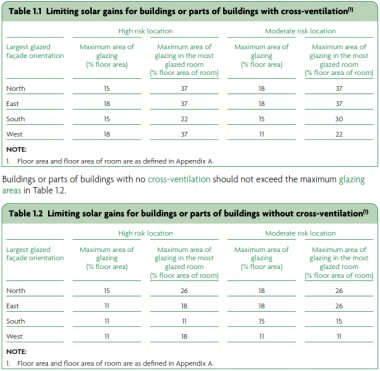
The simplified method places significant emphasis on orientation. The highest overheating risk occurs where ythe most galzed elevation faces:
- South
- South-west
- West
These orientations receive the strongest afternoon solar gains during summer months.
Developments with extensive glazing in these directions often exceed simplified glazing thresholds, particularly in apartments or open-plan living spaces.
Why Dynamic Thermal Modelling Is often the only solution
Modern residential design increasingly incorporates:
- Full-height glazing
- Large sliding doors
- Open-plan living spaces
- Architectural facades
While these features may exceed simplified glazing limits, they can often still comply when assessed using dynamic thermal modelling under CIBSE TM59.
Dynamic modelling allows the assessment to consider real-world design features such as:
- Solar shading – Overhangs, Louvre etc
- Glazing solar performance – G value
- Mechanical ventilation systems
This approach often provides greater design flexibility while still demonstrating compliance, though can have a negative knock on effect on the SAP calculations and Part L compliance. Dynamic simulation can give with one hand and take with the other.
Practical Advice for Architects Designing Under Part O
From experience working with residential developments across the South of England, several strategies can help manage overheating risk:
- Consider glazing ratios early
Large glazing areas can quickly exceed simplified limits. - Pay attention to orientation
South-west and west facades require particular care, though this is often somewhat restricted by the site. - Design ventilation strategically
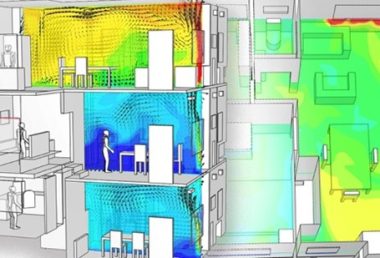
Cross-ventilation can significantly improve compliance outcomes. - Consider dynamic modelling early
This often preserves architectural intent while maintaining compliance.
Overheating Assessments from Energy Report Limited
At Energy Report Limited, we support architects and developers with practical, Part O compliance strategies.
With over 17 years of experience in building energy compliance, our team regularly assists projects with:
- Part O simplified overheating calculations
- Dynamic thermal modelling (CIBSE TM59)
- Design-stage overheating strategies
- Integrated Part L and sustainability advice
Our approach focuses on practical solutions that maintain architectural design while ensuring regulatory compliance.
Speak to Our Team
If you are designing a new residential development, glazed extension, or residential conversion, early overheating analysis can help prevent costly redesign later.
Need Help with Your Project?
We always welcome new projects so if you need a dedicated consultant, we are here to help. Contact us today to build a better future.
Get in touch