Request a quote
Thanks for getting in touch
Working in collaboration with Fletcher Bassi Architecture
With our expert support, ensure your building meets the new regulatory requirements of Part O Overheating. From design to final approval, our team guides you through the Part O compliance process, helping your new build residential project avoid overheating and achieve thermal comfort for all occupants.
By incorporating compliance strategies from the design phase, we provide detailed overheating risk assessments and comprehensive reports, minimising the risk of costly delays and design changes later on.
Why Part O Compliance Matters?
Overheating in buildings is an increasing concern due to rising temperatures, climate change, and stricter energy efficiency regulations. If you’re responsible for new build residential, including houses, flats, care homes, and student accommodation, understanding and meeting Part O requirements is crucial. While previous building regulations addressed heat retention during winter, Part O compliance focuses on preventing excessive indoor heat in warmer months.
Ensuring compliance helps you:
- Prevent Overheating: Maintain a cooler indoor environment during hot weather
- Enhance Comfort: Create a more pleasant and liveable space for residents
- Mitigate Legal Risks: Avoid potential legal or reputational issues by staying compliant
With our guidance, safeguard occupant well-being and future-proof your building against evolving climate challenges.
Effortless Part O Compliance
At Energy Report, there are two methodologies available for meeting overheating regulations: the Simplified Method and Dynamic Thermal Modelling (TM59). Our expert assessors guide you through the best approach for your project, ensuring full compliance every step of the way:
Simplified Method
Best suited for simpler building designs where glazing and floor area limits are met. Key factors like building location, aspect and orientation, and window size and area are considered. This method is ideal for less complex buildings, with specific glazing and orientation limitations.
TM59 Dynamic Thermal Modelling
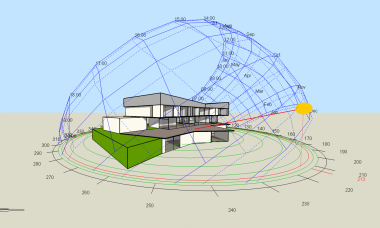
For more complex or larger projects, this flexible approach provides a detailed analysis to mitigate overheating risks, ensuring compliance with CIBSE’s TM59 standards. Using advanced thermal simulation software, the building’s internal environment is assessed to predict overheating risks based on factors likes building design, materials, climate data, and orientation.
How We Help You
We’ll work closely with you to:
- Conduct Overheating Risk Assessments: Using TM59 or the Simplified Method, we’ll help you evaluate overheating risks and guide you towards solutions
- Generate Detailed Reports: Our reports will clearly show how your building meets compliance and recommend strategies to reduce overheating risks
- Prevent Delays: By addressing Part O requirements early in the design phase, we can help avoid costly and time-consuming changes later
FAQs
What is Approved Document Part O of the Building Regulations?
Part O – Overheating sets out requirements to limit overheating in new residential buildings.
Introduced in 2022, it ensures that homes are designed to remain safe and comfortable in hot weather by minimising internal temperature rise.
Part O applies to all new dwellings, including flats and houses, and requires every developer to demonstrate that passive measures such as natural ventilation and shading have been considered before resorting to mechanical cooling.
When should the overheating assessment be carried out?
The earlier the better.
Overheating should be assessed at the design stage, ideally alongside SAP 10.2 and Part L 2021 assessments.
Early modelling allows window sizing, orientation, and g-values to be optimised before elevations are fixed. Late assessments often lead to costly redesigns or restricted glazing areas.
Does Part O apply to extensions or conversions?
No, not currently
Part O applies only to new residential buildings. It does not apply to:
- Extensions or conservatories added after completion
- Conversions or change-of-use projects
However, many local authorities now expect overheating risks to be considered voluntarily for larger refurbishments.
What are the two compliance methods – Simplified vs Dynamic Thermal Modelling?
There are two recognised routes to demonstrate Part O compliance:
Simplified Method
A prescriptive checklist with fixed limits for:
- Glazing-to-floor-area ratios
- Window orientation
- Opening sizes and ventilation pathways
Best for simple dwellings with modest glazing and good cross-ventilation.
Dynamic Thermal Modelling (CIBSE TM59)
A detailed simulation using specialist software (e.g. IES VE, DesignBuilder) that tests real weather data, occupancy patterns, and shading.
Required for complex, urban, or heavily glazed designs, or where noise, pollution, or security limit natural ventilation.
How do I know which method is right for my project?
Start by reviewing the most glazed room in each dwelling.
If the glazing-to-floor ratio exceeds Simplified Method limits or if there’s limited cross-ventilation you’ll need the Dynamic TM59 approach.
What inputs are needed for a Part O assessment?
To complete either the Simplified or Dynamic TM59 route, we typically require:
- Site and floor plans with orientation
- Elevations and sections
- Window and door schedules (sizes & openings)
- Fabric U-values
- Ventilation strategy (natural or mechanical)
- Details of external shading (louvres, overhangs, blinds, balconies)
- Noise or pollution data (if applicable)
Supplying this information early helps ensure accurate, compliant results.
What factors influence overheating risk?
Key variables include:
- Orientation and exposure to the sun
- Glazing area and g-value (solar factor)
- Cross-ventilation opportunities
- External shading from balconies or overhangs
- Thermal mass and room depth
- Urban noise and pollution constraints (limiting window use)
Designers should integrate these factors holistically with Part L 2021 energy strategy to balance heating and cooling needs.
Does MVHR help with Part O compliance?
Not directly.
Mechanical Ventilation with Heat Recovery (MVHR) improves air quality and reduces heat loss in winter but does not significantly reduce summer overheating.
Boost functions can increase air change rates but cannot offset high internal gains when outdoor air is warm.
If an MVHR system actively cools incoming air, it’s classed as mechanical cooling, which can only be used once all passive measures have been exhausted.
How are g-values linked to overheating performance?
The g-value (solar factor) of glazing determines how much solar radiation enters the building.
- Low g-values (≤ 0.4) reduce solar gain and help with overheating.
- Higher g-values (0.5–0.6) improve winter heating efficiency but increase risk in summer.
Balancing g-values with orientation and shading design is critical to achieving both Part L and Part O compliance.
Our assessors will review glazing specification to ensure optimal year-round comfort.
What other design factors must Part O assessments consider?
Part O requires that overheating mitigation does not compromise:
- Night-time noise (especially for bedrooms)
- Pollution levels (near roads or industrial areas)
- Security and safety (particularly at ground level)
In such cases, TM59 Dynamic Modelling allows for alternative solutions—such as restricted openings, secure louvres, or acoustic vents—while still demonstrating compliance.
How is Part O approved and signed off?
Overheating assessments are reviewed by Building Control or an Approved Inspector.
You’ll typically need to demonstrate compliance at:
- Design Stage to secure approval before construction
- As-Built Stage confirming that installed openings, glazing, and shading match the approved design
Energy Report Limited provides both stages with all necessary documentation.
How can Energy Report Limited help ensure Part O compliance?
We offer full Part O Overheating Compliance services, including:
- Simplified Method and Dynamic CIBSE TM59 Modelling
- Integration with SAP 10.2 and Part L 2021 assessments
- Early-stage design advice to minimise risk and retrofit costs
- Collaboration with architects to optimise orientation, shading, and ventilation strategies
- Clear, evidence-based reports ready for Building Control submission
Our proactive, design-led approach ensures that your homes meet thermal comfort standards while remaining efficient, buildable, and compliant.
How much does an Overheating Assessment cost?
Fees for an Overheating assessment on a single dwelling start from £220 plus VAT for a Simplified Analysis and starting at £440 plus VAT for a Dynamic Assessment
Benefits
- Certified energy assessors equipped with the latest modelling software
- Expert guidance to ensure the right approach for you
- Fast and efficient support helping you stay on track with project deadlines
- Over 15 years’ experience you can trust
Need Help with Your Project?
We always welcome new projects so if you need a dedicated consultant, we are here to help. Contact us today to build a better future.
Get in touch