Request a quote
Thanks for getting in touch
Our consultants work with architects, developers, M&E consultants and contractors to turn operational energy modelling into clear, practical decisions. By looking beyond regulated loads alone, we help you test an operational energy target, identify the largest areas of demand and focus design effort where it can make the greatest difference. The result is a clearer route from the project brief to a building that is better prepared to perform in use.
Why TM54 Operational Energy Performance matters
TM54 is CIBSE’s methodology for evaluating likely operational energy use at the design stage. It gives the project team a more complete picture of how a building may perform once occupied, taking account of the design, systems, controls and realistic operating assumptions. The methodology can be applied using spreadsheet tools, steady-state methods or dynamic simulation modelling, depending on the building and the questions the assessment needs to answer.
For a project team, this creates a practical link between the energy ambition set in the brief and the design decisions being made. Where an annual operational energy target is required, a TM54 assessment provides a robust framework for testing the proposal, controls and intended operational strategy against that target.
TM54 can help your project team to:
| Project question | How a TM54 assessment helps |
| Are we on track to meet the operational energy target? | It tests the proposed design against a clear annual energy target and identifies the largest energy demands. |
| Which design changes are likely to have the greatest impact? | It allows practical options to be compared, helping the team prioritise proportionate, high-value improvements. |
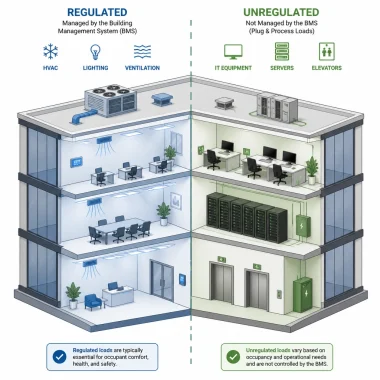
| What needs to be considered beyond regulated energy? | It brings a broader operational picture into the design discussion, helping to avoid important blind spots. |
| How can the building be prepared for successful operation? | It links the predicted performance with controls, maintenance and the intended operating strategy. |
With early, well-informed operational energy modelling, you can make more confident design decisions before cost, programme and technical choices become fixed.
Our TM54 Operational Energy Performance service
At Energy Report, we develop a clear, project-specific view of expected operational energy use. We work alongside the wider design team and translate detailed modelling into practical advice that can be applied at the right point in the programme.
The scope is tailored to the building, brief and information available. We can support new-build and major-refurbishment projects across commercial, residential, education, healthcare, public-sector and mixed-use schemes.
1. Establish the performance brief
We begin by understanding the building’s intended use, energy ambition and design constraints. Where an operational energy target has been set, we help turn it into an assessment strategy that can guide design development and inform the wider project team.
2. Build a transparent energy model
We develop an appropriate model of the proposed building using the design information available. Assumptions are made explicit, so you can understand how occupancy, hours of use, lighting, equipment, building services, ventilation and controls influence the forecast.
3. Test the design and identify opportunities
We analyse anticipated energy demand by end use and focus on the factors that matter most to performance. This gives your team a practical basis for reviewing the fabric, façade, passive-design measures, building services and control strategy before construction.
4. Report clear targets and next steps
You receive an evidence-led report that sets out the operational energy forecast, key assumptions, main energy drivers and recommended actions. We explain the findings in clear language, helping the design team make informed decisions and establish a useful reference point for performance in use.
What you will receive
The precise deliverables are agreed around your programme, RIBA stage and project brief. A TM54 Operational Energy Performance assessment can include:
| Deliverable | What it provides |
| Operational energy forecast | A design-stage estimate of likely annual energy use, structured to support the project brief. |
| End-use energy breakdown | A clear view of the principal contributors to anticipated energy demand. |
| Assumptions register | Transparent documentation of the data, schedules and operating assumptions behind the assessment. |
| Design-options review | Comparative advice on the practical measures most likely to improve performance. |
| Energy target and performance budget | A defined reference point that can inform procurement, commissioning, handover and later in-use comparison. |
| Technical report and design-team presentation | Clear findings, recommendations and discussion with the project team where required. |
When should you appoint a TM54 assessor?

The earlier operational energy is considered, the more opportunity there is to influence performance. TM54 can add the greatest value during concept and developed design, when massing, façade, fabric, glazing, building services and control strategy are still being developed.
We can also support a project when an operational energy target is required for planning, funding, client, ESG or certification-led objectives; when a team needs a more realistic complement to Part L calculations; or when a project wants a stronger basis for post-occupancy evaluation and ongoing energy management.
If your project is setting an operational energy target, ask us to review the brief early. We can help establish the right modelling approach and information requirements before design decisions become difficult to change.
TM54, Part L and dynamic thermal modelling: what is the difference?
TM54 does not replace Building Regulations compliance calculations. Part L assessments demonstrate compliance with the relevant Building Regulations requirements. TM54 adds an operational perspective, helping the design team assess likely energy use in occupation and look beyond minimum regulated performance.
Dynamic thermal modelling may be the appropriate calculation method for a TM54 assessment, particularly where a detailed understanding of a building’s thermal and system performance is required. However, CIBSE TM54 is a methodology rather than a single software model: it can also be applied using other suitable calculation approaches.
Where appropriate, we coordinate TM54 analysis with Part L – SBEM, Part L – SAP, thermal modelling, daylighting calculations, Part O overheating assessments and BREEAM work. This joined-up approach can reduce duplicated effort and help maintain a coherent energy, comfort and compliance strategy across the project.
Make predicted performance more useful

A TM54 assessment is a project-specific forecast, not a guarantee of future utility consumption. Actual performance will depend on the final design and installation, weather, occupancy, operating hours, controls, commissioning, maintenance and management. CIBSE emphasises that energy performance depends on how a building is run and maintained, as well as how it is designed and constructed.
That is why transparent assumptions and practical recommendations matter. By bringing them into the design discussion early, we help you set a credible energy ambition and make better-informed decisions throughout the project.
Why work with Energy Report?
- Practical technical guidance: We turn detailed building-energy analysis into clear, project-focused recommendations.
- A joined-up service: TM54 can be coordinated with Part L, thermal modelling, daylighting, Part O and BREEAM work where appropriate.
- Responsive project support: We work collaboratively with the wider design team to support programme, performance and compliance objectives.
- Experienced, approachable assessors: Our team brings deep building-compliance knowledge and communicates it in clear, useful language.
FAQs
What is a TM54 Operational Energy Performance assessment?
A TM54 assessment is a design-stage evaluation of how much energy a building is likely to use in operation. It applies CIBSE’s TM54 methodology to model operational energy demand using realistic information about the building, its systems and how it is expected to be used. It helps the project team test an operational energy target and identify opportunities to improve the design before construction.
Why is TM54 important for a building project?
TM54 helps project teams make energy decisions based on likely in-use performance, not regulated energy alone. It can reveal the major drivers of energy demand, test the impact of design options and provide a clearer basis for setting or reviewing an annual operational energy target. This supports more informed decisions on fabric, services, controls and the operating strategy.
Does a TM54 assessment replace Part L compliance calculations?
No. TM54 does not replace Part L compliance work. Part L calculations are used to demonstrate compliance with the relevant Building Regulations requirements, while TM54 evaluates likely operational energy use in occupation. The two assessments can be coordinated so the design team has a joined-up view of compliance and anticipated in-use performance.
Is TM54 the same as dynamic thermal modelling?
Not necessarily. TM54 is a methodology for evaluating operational energy use at design stage, while dynamic thermal modelling is one calculation approach that may be used to apply it. Depending on the project, the assessment may use spreadsheet tools, steady-state methods or dynamic simulation modelling
What types of building can a TM54 assessment cover?
The TM54 methodology can be applied to new and existing buildings. Energy Report can tailor an assessment to commercial, residential, education, healthcare, public-sector and mixed-use projects, subject to the project brief and available design information.
When should TM54 modelling start?
TM54 modelling is most valuable when introduced during concept or developed design, while there is still scope to influence massing, façade, fabric, glazing, building services and control strategies. It can also be commissioned later in the programme, although the ability to make cost-effective changes may be more limited.
What information is needed for a TM54 assessment?
The information required depends on the design stage and assessment scope. Typical inputs include drawings, building form and fabric information, proposed services, ventilation and control strategies, occupancy profiles, operating hours, lighting, equipment loads, energy targets and relevant site or brief information. We will confirm the specific information required at the outset and work with the project team to make assumptions clear where information is still developing.
What does TM54 consider that regulated energy calculations may not?
TM54 is intended to give a fuller picture of likely operational energy use. Depending on the building and scope, it can consider the energy implications of occupancy and operating hours, lighting, equipment and small power, domestic hot water, lifts, catering, server rooms, HVAC systems, controls and management factors.[
Can TM54 help reduce the building performance gap?
TM54 can help reduce the risk of a gap between design intent and operational performance by making assumptions visible and testing the design against an operational energy target. It does not guarantee future energy use, but it gives the team a stronger reference point for design decisions, commissioning, handover and later comparison with measured performance.
Can a TM54 assessment support net-zero or ESG objectives?
TM54 can provide evidence to support an operational energy target that forms part of a net-zero, ESG, planning, funding or client brief. The assessment should be scoped around the specific objective, and any wider certification or reporting requirement should be confirmed separately.
What will the TM54 report include?
A TM54 report typically presents the operational energy forecast, end-use breakdown, key inputs and assumptions, main energy drivers, relevant option testing and recommended actions. The deliverables are tailored to the agreed scope, programme and RIBA stage.
How accurate is a TM54 energy forecast?
A TM54 forecast is only as reliable as the design information and operating assumptions available. Actual energy use will also be affected by the final installation, weather, occupancy, management, maintenance, commissioning and controls. The assessment is most useful when its assumptions and recommendations are carried through into delivery and operation.
How can Energy Report help with TM54 Operational Energy Performance?
Energy Report provides clear, project-specific TM54 assessments and practical advice for developers, architects, M&E consultants and contractors. We can coordinate the work with related compliance and performance services, explain the findings in accessible language and help your team focus on the actions most likely to improve operational performance.
Need Help with Your Project?
We always welcome new projects so if you need a dedicated consultant, we are here to help. Contact us today to build a better future.
Get in touch