Request a quote
Thanks for getting in touch
Author: Tom Pope

Future Homes Standard 2026: Notional Airtightness Target Changes
The Future Homes Standard moves the notional airtightness assumption from 5 to 4. Learn what this means for design, air testing and programme risk.
Read more
Future Homes Standard 2027: 6 months until it comes into force
The Future Homes Standard, introduced through Part L 2026, comes into force on 24 March 2027. Despite the headlines, the minimum fabric U-values, the maximum permitted air permeability and the legal position on gas boilers are unchanged; the real change sits in the notional dwelling, the compliance targets and as-built verification.
Read more
The Draft London Plan 2026: Navigating the 2030 Net-Zero Mandate
The London skyline is a perpetual tapestry of motion, where the silhouettes of cranes and the glint of glass facades tell the story of a city constantly redefining itself. The GLA’s Draft London Plan 2026 proposes new policies on operational carbon and London’s 2030 net-zero goal. It is still a draft, so here is what developers should plan for now.
Read more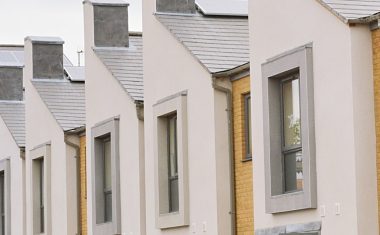
The Future Homes Standard Just Got Real: 5 Things Every Developer Should Do Before March 2027
For developers, architects, housebuilders and building consultancies in the South of England, the Future Homes Standard is no longer a distant policy objective. It formally takes effect for most new homes on 24 March 2027, with higher-risk buildings following on 24 September 2027. The decisions made now will determine whether projects move smoothly through design, planning and building control or face costly redesigns mid-application.
Read more
CIBSE TM59 (2026) Update: What Developers Need to Know About the New Overheating Methodology
Whether you are developing a new apartment block in London or undertaking a development of residential units in Southampton, managing overheating risk has become a critical compliance hurdle. The UK's changing climate and the drive for highly insulated, airtight homes have made summer thermal comfort a primary design consideration.
Read more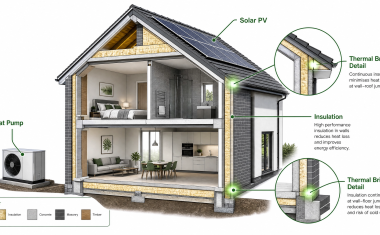
Part L Photographic Evidence: A Guide to BREL Report Compliance for UK Developers
Whether you are developing a new residential estate in Basingstoke, building a single detached home in Surrey, or constructing a block of flats in Birmingham, the days of relying solely on trust for energy performance sign-off are over. The introduction of the Building Regulations England Part L (BREL) report has fundamentally shifted the compliance landscape, making mandatory photographic evidence a critical hurdle for developers and site managers.
Read more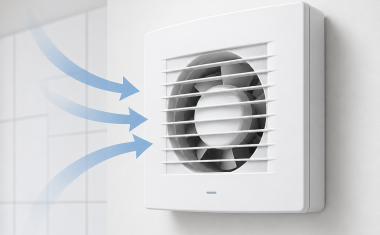
Is Part F Extractor testing holding up your New Build or Conversion
Under UK Building Regulations Approved Document F, extractor testing is a mandatory compliance requirement for all new-build dwellings and conversions. Failing to plan, install, and test extract systems correctly can lead to failed building control sign-offs, expensive retrofits, and even long-term damp and mould issues.
Read more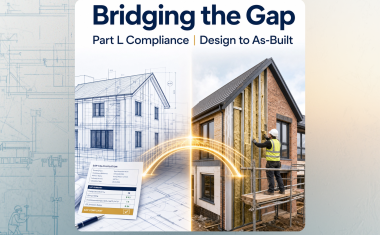
Bridging the Gap: Why Energy Consulting is Critical for Part L Compliance Between Design and As-Built
Why is energy consulting support essential between the design and as-built stages of a construction project? Professional energy consulting ensures that any on-site material changes, cost engineering, or air testing results do not compromise Part L compliance, while advising on the strict new Part L photographic evidence required to secure final building sign-off.
Read more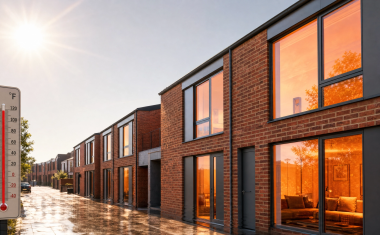
The Part L vs Part O Collision – Why Overheating Compliance is Ruining Your SAP Calculations
How Solving Overheating (Part O) is Causing Your New Build to Fail Part L
In June 2022, the Building Regulations introduced Approved Document O (Overheating) to address the growing risk of high internal temperatures in new homes. While the intention is sound, the reality on the ground has created a significant compliance headache for developers and architects.
Part L 2026 Future Homes Standard – A simplified Guide
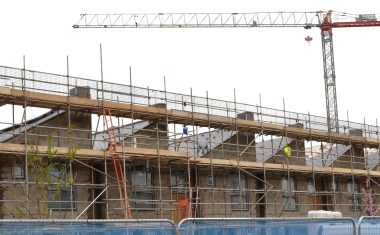
The 2026 update to Approved Document L Volume 1 marks the next step toward Net Zero, with all New build houses to be net zero ready. Meaning that homes built from 2027 will not need major upgrades to be able to achieve net zero
Read more